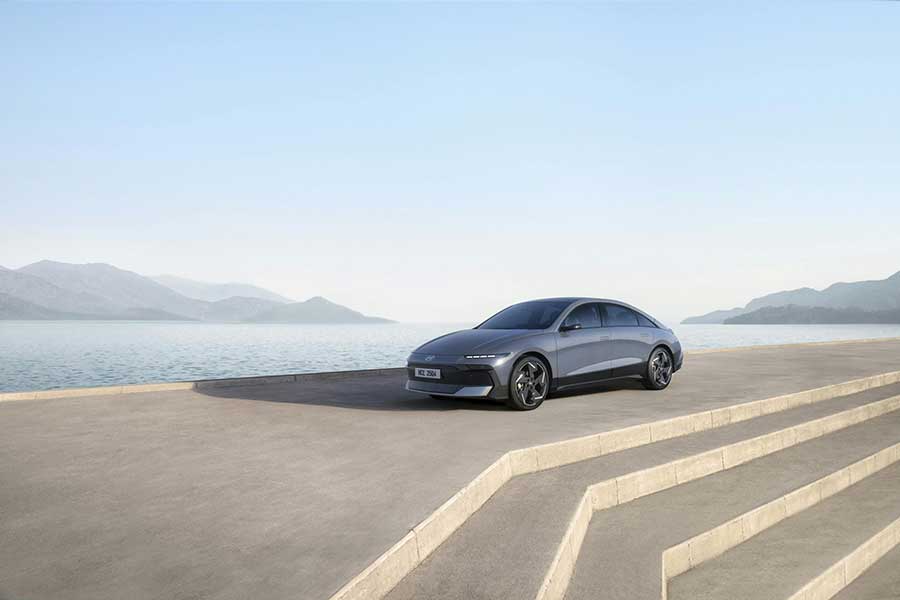
The passage of the “Big Beautiful Bill,” Washington’s latest sweeping tax legislation, has sent a jolt through the electric vehicle (EV) market. From new restrictions to expanded credits, the law represents a major overhaul in how taxpayers—and automakers—interact with EV incentives. Whether you’re a current EV owner, considering a purchase, or a business investing in clean vehicle fleets, understanding these changes is crucial to maximize your tax savings and avoid costly missteps.
This blog breaks down the major tax-related implications for EV buyers and businesses under the new bill, offers a timeline for action, and provides practical advice on how to benefit before certain credits fade into the sunset.
The Clean Vehicle Credit, formerly known as the Qualified Plug-in Electric Drive Motor Vehicle Credit, has been reshaped. Previously offering up to $7,500 for qualifying EVs, this credit now comes with stricter requirements, income limits, vehicle price caps, and battery sourcing rules—and it’s just the beginning.
Here’s what you need to know.
Under the new bill:
Here’s where the “beautiful” part gets a little murky:
| Date | Change |
|---|---|
| Now(2025) | New Clean Vehicle Credit structure applies. |
| Jan 1, 2025 | New mineral and battery sourcing rules kick in—many current models may lose eligibility. |
| Mid-2026 | Enforcement expands for used EV resale credit limits and dealer reporting requirements. |
| 2027+ | Treasury will evaluate and update criteria annually; many imported EVs likely phased out if sourcing doesn’t shift. |
If you’re considering an EV purchase or tax strategy that involves electric vehicles, here are our key recommendations:
A. Act Fast Before Eligibility Shrinks
Buy or lease your EV before December 31, 2024, to maximize your chances of claiming the full credit—especially if the vehicle might not qualify under 2025 rules.
B. Verify VIN Eligibility
The IRS offers a VIN lookup tool to confirm whether your EV qualifies for a credit under current rules.
C. Consider Leasing Instead of Buying
Some foreign-made EVs that don’t qualify for the consumer credit may still qualify for a commercial lease loophole. Leasing might still give you a tax advantage if the lessor passes the savings to you.
D. Plan Around Income Limits
Your adjusted gross income (AGI) affects your eligibility. If you’re near the cap, consider tax planning strategies (like retirement contributions or deferrals) to lower your AGI.
E. Used EVs: A Smart Play
The new $4,000 used EV credit applies to vehicles at least two years old, sold under $25,000, and purchased from a dealership. It also comes with lower income limits, so check before you shop.
If you’re a small or mid-sized business considering fleet upgrades, the Big Beautiful Bill’s commercial EV credit is incredibly attractive:
Tip:
Consider the Section 179 deduction for accelerated depreciation in combination with the EV credit for even greater savings.
Under the new structure:
This makes tax planning critical: Know your liability before you purchase.
The Big Beautiful Bill phases out or modifies several older credits:
If you’re planning to install an EV charger at home or work, now is the time.
The Big Beautiful Bill represents a monumental shift in how EV tax credits work—expanding opportunities for some while narrowing eligibility for others. For consumers, timing and planning are everything. For businesses, the enhanced commercial EV credit can translate to tens of thousands in savings. The new law rewards domestic production, high-efficiency batteries, and structured tax planning. Whether you’re buying a family car or a fleet of trucks, taking proactive steps now will help you stay ahead of the curve—and keep your wallet charged.
Before you buy, lease, or install an EV charger, talk to our tax professionals at Dynamic Tax & Accounting. We’ll help you:
Verify eligibility
Calculate your credit
Optimize your tax liability
Maximize deductions and incentives
Don’t miss out on thousands in potential savings.
Call (646) 295-3811 or email admin@dynamicsrv.com
Contact us here
Call us at (646) 295-3811
Email: admin@dynamicsrv.com
Contact us
Let us help you drive your finances forward — EV or not.